Kenya Carbon Blog
In-depth insights on Kenya's carbon market — Article 6, REDD+, and investment opportunities.
Reforestation Carbon Credits in Kenya: How Tree-Planting Projects Earn Credits and What to Check
Reforestation projects earn carbon credits only for carbon that trees store above what would have happened anyway, and only while the trees survive. This guide explains how Kenyan tree-planting projects are measured and what buyers should check before they buy. Read more
Measuring Carbon on Kenyan Projects: Field Plots, Satellites and Independent Verification
A carbon credit is only as strong as the measurements behind it. This guide explains how Kenyan projects combine field plots, satellite monitoring and independent verification, and what a buyer should ask to see before relying on the numbers. Read more
Engineered Removals and Rock Weathering: What Kenyan Buyers Should Check
Engineered removals pull carbon dioxide out of the air or speed up how rock locks it away. Their credits look precise on paper, but they depend on energy, storage and long-term monitoring. This guide explains what a buyer should check before paying for one. Read more
Peatland and Wetland Carbon Credits: What Kenyan Buyers Should Check
Peatlands and wetlands store large amounts of carbon, but credits from restoring them depend on water levels, careful measurement and agreements with the communities who use the land. This guide explains what a buyer should check first. Read more
Jurisdictional and Nested Carbon Credits: What Kenyan Buyers Should Check
Some carbon credits are measured across a whole region or national programme rather than one project. This guide explains jurisdictional and nested REDD+ crediting, how it differs from project credits, and what a buyer should ask before it pays for one. Read more
Additionality and Baselines: Would the Trees Have Been Planted Anyway?
A carbon credit only means something if the emission reduction would not have happened without the project. This guide explains additionality and baselines, and the questions a Kenyan buyer should ask before it pays for a unit. Read more
Aviation Offsetting and Kenyan Carbon Credits: What CORSIA Buyers Need to Check
Airlines that offset under CORSIA can only use certain carbon units. This guide explains the eligibility rules that matter for Kenyan projects, and the checks a buyer should ask for before it accepts a credit for aviation. Read more
Greenwashing Red Flags in Kenyan Carbon Credit Claims: What to Check Before You Publish
A carbon credit can be real and still be described in a misleading way. These are the red flags buyers and marketing teams should check before they repeat a Kenyan carbon claim in public, and how to test each one against the registry record. Read more
What Drives the Price of a Kenyan Carbon Credit
Two Kenyan carbon credits can sell for very different prices, even when both are real. Here are the factors that set the price of a tonne, from project type and standard to vintage, delivery risk and contract terms, and how to compare offers on the same basis. Read more
Avoidance or Removal: What Kenyan Carbon Credits Actually Do
Some Kenyan carbon credits avoid emissions that would otherwise happen, and others remove carbon from the air. This guide explains the difference, why it changes what a buyer can claim, and how to check which kind you are buying. Read more
Bamboo Carbon Credits in Kenya: What Buyers Should Check
Bamboo grows fast, regrows after harvest and suits smallholder land. Here is how bamboo carbon credits work, why harvest rules decide the carbon, and the questions that separate a sound credit from a weak one. Read more
Waste and Methane Carbon Credits in Kenya: What Buyers Should Check
Capturing methane from landfills, dumps and organic waste cuts a potent greenhouse gas. Here is how waste carbon credits work in Kenya, and the questions that separate a sound credit from a weak one. Read more
Biochar Carbon Credits in Kenya: How They Work and What Buyers Should Check
Biochar turns farm and forest waste into a stable form of carbon that can be added to soil. Here is how biochar credits work, what Kenyan projects use as feedstock, and the questions that separate a sound credit from a weak one. Read more
Community Conservancies and Carbon Credits in Kenya: Who Owns the Land, Who Gets Paid and What to Check
Many of Kenya's wildlife and rangeland carbon projects run on community conservancies rather than single farms. Here is how the land and payment arrangements work, and what buyers should check before they buy. Read more
Rangeland Carbon Credits in Kenya: How Grassland Projects Work and What to Check
Grassland carbon projects pay herders to manage grazing so that more carbon stays in the soil. Here is how they work in Kenya and what buyers should check before they buy. Read more
From Idea to First Issuance: How a Kenyan Carbon Project Is Developed
A Kenyan carbon project passes through design, validation, registration, monitoring, verification and issuance before a single credit exists. Here is each stage, who does the work and where projects stall. Read more
Plan Vivo, Verra or Gold Standard: Choosing a Carbon Standard for a Kenyan Project
Verra, Gold Standard and Plan Vivo each suit different Kenyan projects. Compare them on land ownership, methodology, cost, registry access and buyer demand before you choose one. Read more
Carbon Credit Offtake Agreements in Kenya: What to Negotiate Before You Sell
An offtake agreement commits a buyer to future carbon credits before they are issued. Here is what Kenyan project developers and buyers should negotiate on volume, price, shortfall risk and exit terms. Read more
How Kenya Taxes Carbon Credits: What Project Developers and Buyers Need to Know
Kenya has no carbon-specific income tax rule, so carbon income is treated under general tax law. This guide explains where the open questions sit, including VAT, and what developers and buyers should ask their advisers. Read more
Kenya's Carbon Market Rules and National Registry: What the 2024 Regulations Mean for Buyers
Kenya's Climate Change (Carbon Markets) Regulations, 2024, and the national carbon registry set out what a Kenyan carbon project must do before it sells credits. This guide explains the requirements and the checks a buyer should ask for. Read more
Retiring Kenyan Carbon Credits: How Registry Retirement Works and Why It Matters
Buying a carbon credit is not the same as using it. This guide explains what retirement means on a registry, what to check in the retirement record, and how it protects against double claims on Kenyan credits. Read more
Scope 3 Claims and Kenyan Carbon Credits: What Corporate Buyers Can Actually Say
Carbon credits can support some corporate climate claims but not others. This guide explains the Core Carbon Principles label, how credits differ from emission reductions, and how to word claims about Kenyan credits. Read more
Vintage and Permanence: Two Questions Every Kenyan Carbon Credit Buyer Should Ask
A credit's vintage shows the year its emission reduction took place, and permanence asks whether that carbon stays stored. This guide explains both and what buyers should check before they buy. Read more
Measuring Tree Carbon on Kenyan Smallholder Farms: How Agroforestry Credits Are Counted
Agroforestry carbon credits depend on counting trees scattered across small farms. This guide explains baselines, field plots, allometric equations and buffers, and what buyers should ask to see. Read more
Carbon Credit Benefit Sharing in Kenya: What Fair Terms Look Like for Communities
How revenue from Kenyan carbon projects should reach communities, what a benefit-sharing agreement should state, and the questions buyers and landholders should ask before signing. Read more
Soil Carbon Credits in Kenya: How They Work and What to Check
How soil carbon credits are claimed, why soil is hard to measure, where permanence risk sits, and what buyers should ask before purchasing credits from Kenyan farmland projects. Read more
How Cookstove Carbon Credits Work in Kenya
How cookstove carbon credits are calculated in Kenya, why stove usage matters more than stove distribution, and what buyers should ask before purchasing clean cooking credits. Read more
How to Buy Kenyan Carbon Credits: A Step-by-Step Guide for Companies
A practical guide for companies buying carbon credits from Kenyan projects: defining your goal, choosing project types, buying direct or through a broker, and what happens after purchase. Read more
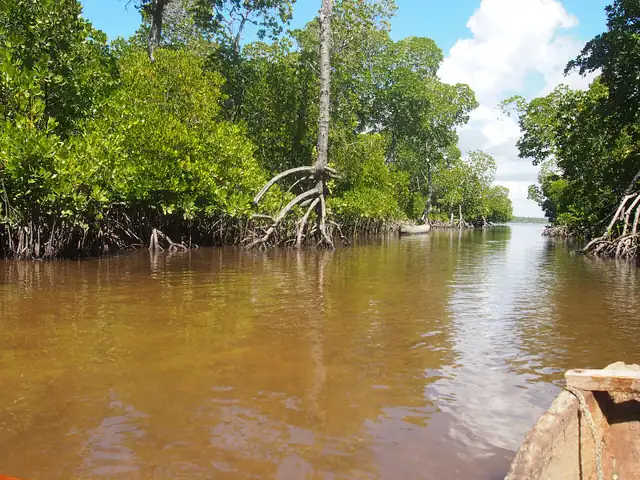
Blue Carbon in Kenya: How Mangrove Carbon Credits Work
Kenya's coastal mangroves store carbon in trees and waterlogged soil. Here is how mangrove projects earn credits, what Verra's VM0033 methodology requires, and what buyers should check. Read more
Buying Kenyan Carbon Credits: A Due Diligence Checklist for Buyers
Before you buy Kenyan carbon credits, check the registry record, methodology, vintage, land rights, Article 6 authorisation and benefit-sharing terms. A practical checklist for corporate and compliance buyers. Read more
Tree Planting in Kenya: Why Survival Matters More Than Seedlings Planted
Kenya has set ambitious tree planting and reforestation goals. What decides whether a planted tree becomes a growing forest is species choice, rainfall timing, land tenure and years of follow-up care. Read more
Forest Conservation in Kenya: Protecting the Forests That Still Stand
Kenya has less forest than it needs, and the forest it has is still being lost. Here is what forest conservation means in practice, why protecting standing forest matters, and how it fits with tree planting and carbon credits. Read more
Top Carbon Credit Projects in Kenya: Complete Buyer's Guide (2026)
Kenya hosts some of the world's most respected carbon credit projects — from the Kasigau Corridor REDD+ to the Northern Rangelands Trust and Mau Forest Complex. Here is what international buyers and Kenyan corporates need to know in 2026. Read more
Article 6 in East and Central Africa: Where Does Kenya Stand?
Kenya, Uganda and Cameroon are all building Article 6 frameworks — but their approaches differ. Here's what carbon credit buyers and sellers need to know. Read more
REDD+ Across Borders: How Kenya Links to Uganda and the Congo Basin
Kenya's REDD+ projects don't exist in isolation. Buyers looking at East African forest credits increasingly look at the wider regional picture — Uganda's mountain ecosystems and Cameroon's Congo Basin forests. Read more
Ascent PPF: $25M World Bank Facility Opens for East African Clean Energy Projects
A $25 million World Bank-backed Project Preparation Facility has launched a call for proposals from clean cooking and energy access companies in 16 East and Southern African countries including Kenya and Uganda. The first application window closed on August 31, 2026. Read more
Kenya Named IEA Partner in Global Clean Cooking Initiative
The International Energy Agency named Kenya as one of three co-chairing governments in its clean cooking financing effort, which secured $900 million in new commitments for African countries. Read more
Kenya's Carbon Market in 2025: What You Need to Know
Kenya has emerged as one of Africa's most active voluntary carbon markets. Here's a comprehensive overview of the landscape, key players, and opportunities. Read more
Article 6 and Kenya: Trading Carbon Credits Internationally
How Kenya's landmark Article 6.2 agreements are reshaping international carbon credit trading and what it means for project developers. Read more
Forests for Climate: Kenya's REDD+ Projects Explained
Kenya's forests sequester millions of tonnes of CO2 annually. REDD+ projects translate this into tradeable carbon credits while protecting biodiversity. Read more