Kenya's carbon credit market has evolved from a pioneering experiment to a mature, internationally integrated market in less than a decade. The country is now home to some of the world's best-known nature-based carbon projects, a growing Article 6 bilateral agreement pipeline, and a national carbon market framework that positions Kenya as a leading destination for carbon finance in Africa. This guide covers the top carbon credit projects in Kenya and how to access them in 2026.
1. Kasigau Corridor REDD+ (Wildlife Works Carbon)
The Kasigau Corridor project — operated by Wildlife Works Carbon in the semi-arid lands of southeastern Kenya — is widely credited as the first large-scale REDD+ project in Africa to issue verified carbon credits. Protecting approximately 500,000 acres of dryland forest, the project is registered under Verra VCS and certified under the Climate, Community and Biodiversity Standards (CCBS), making it one of the highest-integrity nature-based credit projects on the global market.
Corporate buyers including Microsoft, Disney, and Delta Air Lines have purchased Kasigau credits for voluntary offsetting and sustainability reporting. Kasigau VCUs (Verified Carbon Units) typically trade at $8–$18 per tonne, with biodiversity-premium vintages reaching higher. The project has issued over 13 million VCUs since inception.
Verification: Verra VCS + CCBS | Developer: Wildlife Works Carbon | Project area: 500,000 acres | Status: Active — credits available
2. Northern Rangelands Trust (NRT) Carbon Program
The Northern Kenya Rangelands carbon programme, developed by the Northern Rangelands Trust in partnership with African Wildlife Foundation, covers over 3 million hectares of community conservancies in northern Kenya. The programme generates grassland soil carbon credits under the Verra Verified Carbon Standard using the VM0026 methodology for sustainable grassland management.
NRT's carbon programme is notable for its strong community benefit-sharing structure: participating Samburu, Turkana, and Borana communities receive the majority of carbon revenue as direct payments, conservation salaries, and community fund disbursements. Credits from the NRT programme carry a significant co-benefit premium and are in strong demand from buyers seeking Indigenous Peoples and local communities (IPLC) credits.
Verification: Verra VCS (VM0026) | Developer: Northern Rangelands Trust / African Wildlife Foundation | Status: Active, multiple conservancy pools
3. Mau Forest Complex REDD+
The Mau Forest — Kenya's largest indigenous montane forest and the primary water catchment for much of the Rift Valley — is the subject of multiple REDD+ project proposals and a national REDD+ programme under Kenya's Forest Act. The Mau ecosystem covers approximately 400,000 hectares and has suffered significant deforestation pressure from agricultural encroachment and illegal charcoal production.
Carbon projects targeting the Mau complex face additional validation complexity due to the forest's political salience, but the pipeline remains active. Buyers seeking large-volume (>50,000 tCO2e/year) Kenyan nature-based credits often engage with Mau-adjacent development organisations. Estimated credit potential: 1.5–3 million tCO2e/year across the full forest mosaic.
Verification: Verra VCS (target) | Status: Pipeline — multiple developers in pre-feasibility | Note: Complex land tenure requires careful due diligence
4. Hongera Clean Cooking Projects (Burn Manufacturing)
Burn Manufacturing's Kenyan clean cooking operations — the largest commercial cookstove manufacturer in Africa — generate significant volumes of carbon credits from their Jikokoa and Kuniokoa biomass cookstove distribution programmes. Kenya's cookstove credits are registered under Verra's AMS-II.G methodology and carry strong CORSIA eligibility ratings.
In July 2026, Burn's Kenya projects issued 52,405 tCO2e for the 2025 vintage — among the most current-vintage credits available from Kenya. Cookstove credits from Kenya are typically the most liquid and accessible Kenyan carbon credits for smaller buyers (50–5,000 tCO2e), available through major brokers and the Xpansiv CBL marketplace at $4–$8 per tonne.
Verification: Verra VCS (AMS-II.G) | Developer: Burn Manufacturing Kenya | Status: Active — 2025 vintage credits available
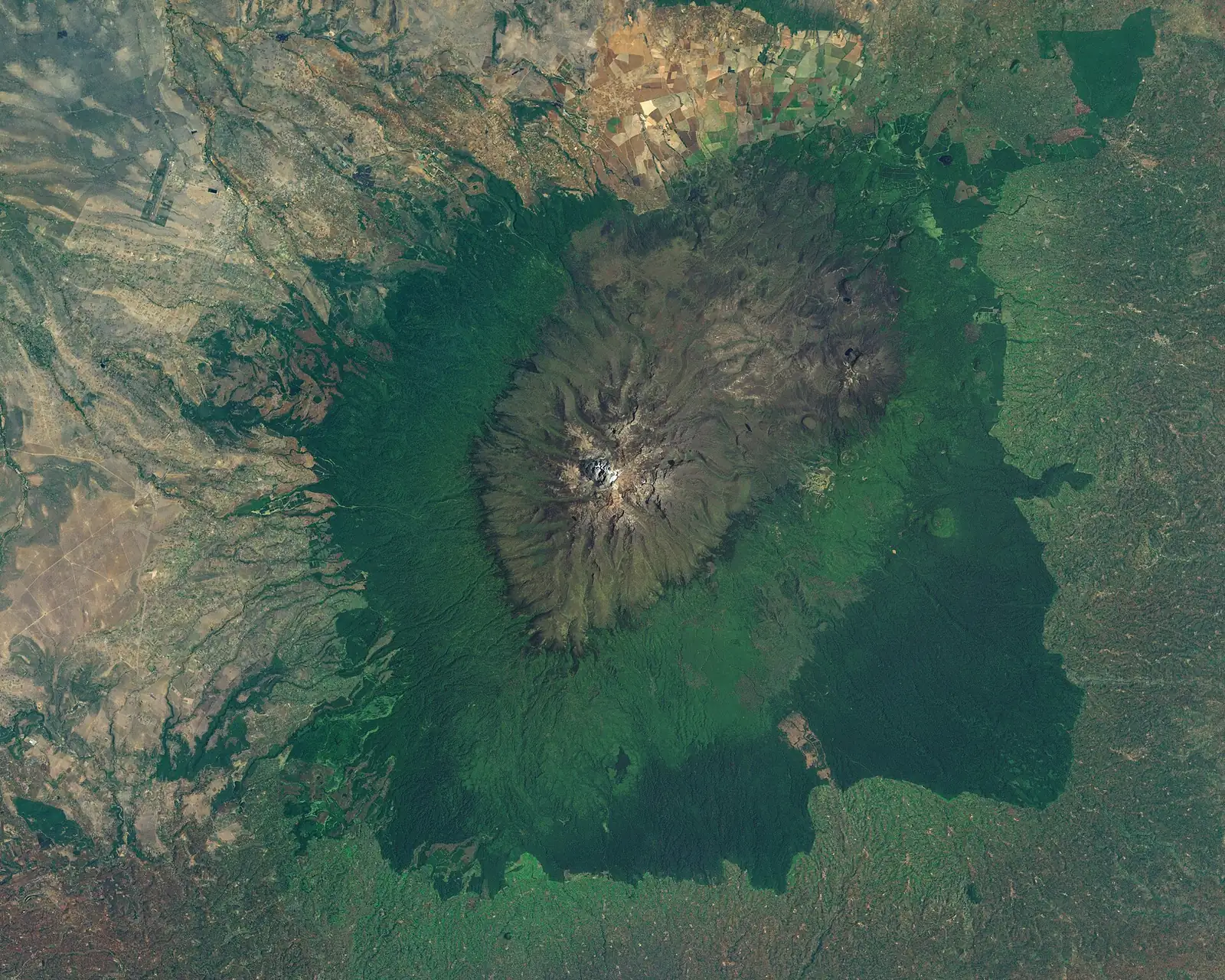
5. Mount Kenya Regenerative Agroforestry (VCS 3321)
The Mount Kenya agroforestry project develops forest carbon credits on smallholder farms around the Mount Kenya forest reserve. Farmers plant trees on agricultural land, sequestering carbon while improving soil health, water retention, and crop yields. The project is registered under Verra VCS 3321 and uses the VM0017 methodology for land-based carbon sequestration.
The Mt. Kenya project is a strong candidate for buyers seeking agricultural and community co-benefit credits aligned with the UN's Decade on Ecosystem Restoration. Credit prices for agroforestry sequestration range $6–$12 per tonne, with SDG co-benefit premiums for certified social outcomes.
Verification: Verra VCS 3321 (VM0017) | Status: Active
Buying Kenya Carbon Credits in 2026: Pricing and Access
Kenya carbon credits span a wide price range depending on project type and quality:
- Cookstove credits (VCS): $4–$8/tCO2e — highest liquidity, CORSIA-eligible
- Agroforestry / soil carbon: $6–$12/tCO2e — moderate liquidity
- REDD+ forest (VCS only): $8–$16/tCO2e — good liquidity, major brokers hold inventory
- REDD+ with CCBS (e.g., Kasigau): $14–$22/tCO2e — premium pricing, strong demand
- Grassland/rangeland (NRT): $10–$18/tCO2e — strong community co-benefit premium
International buyers access Kenya credits through the Verra registry (registry.verra.org), Gold Standard registry, broker marketplaces (South Pole, EcoAct, Wildlife Works, Xpansiv CBL), and direct developer relationships for large-volume offtake. Kenya's well-developed legal and financial infrastructure makes direct project-developer engagements more straightforward than in many African markets.
Article 6 and Kenya's National Carbon Market
Kenya has signed bilateral Article 6 cooperation agreements with Japan, Sweden, and Singapore as of 2026. Letters of Authorisation (LoAs) under these agreements — required to claim Internationally Transferred Mitigation Outcomes (ITMOs) — introduce additional due diligence requirements for buyers seeking Kenyan credits for compliance purposes. Kenya's National Carbon Registry, under development through the Carbon Markets Regulatory Authority, will be the primary domestic compliance tracking system when operational.
Related: Kenya's Carbon Market Framework Explained | Kenya and Article 6: What Bilateral Agreements Mean for Credit Buyers