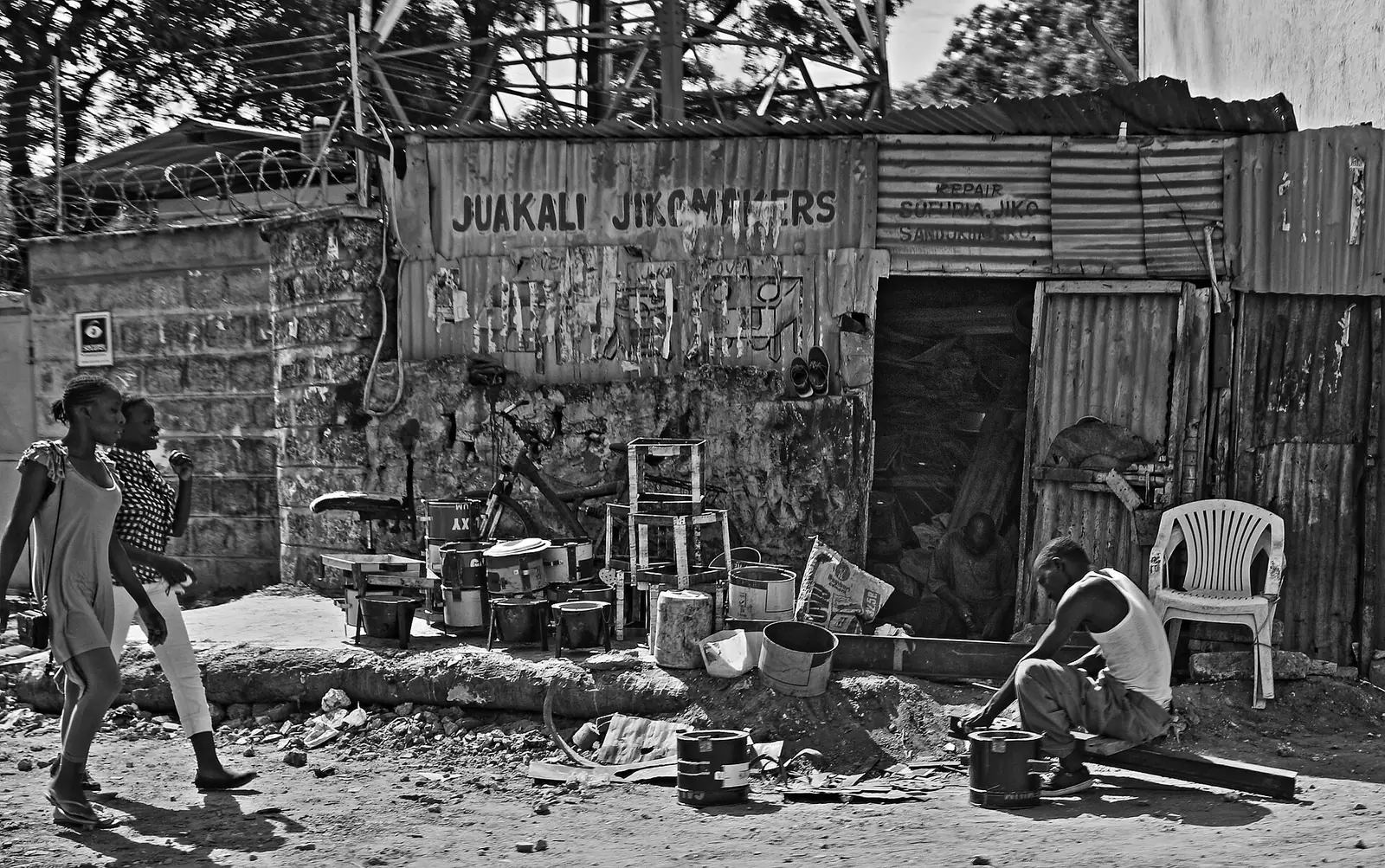
Cookstove projects are one of the oldest and most visible types of carbon credit in Kenya. A household swaps an open fire or an inefficient charcoal stove for a cleaner one, burns less wood or charcoal, and the project issues credits for the emissions that no longer happen. The idea is simple. The measurement is not. This guide explains how the credits are calculated, what buyers should check, and why the details matter more for stoves than for many other project types.
What a Cookstove Credit Measures
A cookstove credit represents a reduction in greenhouse gas emissions compared with a baseline, which is the fuel use and emissions the households would have had without the project. The main source avoided is the wood and charcoal burned for cooking. In some methodologies, the methane and black carbon released by inefficient fires are also counted. Credits are issued per tonne of CO2 equivalent avoided, and only after an independent verifier has checked the monitoring data.
How Projects Prove the Savings
Most projects do not assume that a stove saves fuel. They measure it. Standard approaches combine several kinds of evidence: kitchen performance tests that record how much fuel a stove uses in controlled conditions, household surveys that establish what families cooked with before, and monitoring of stove use over time. Some projects fit sensors to stoves to record how often they are lit. Others sample households and check whether the stoves are still in use. The claim is then reduced for stacking, the common case where a household keeps its old stove alongside the new one.
Why Use Matters More Than Distribution
Handing out stoves is the easy part. A stove that sits in a corner, is used only for special occasions, or is replaced by charcoal again delivers no emission cut. This is why buyers should look past the number of stoves distributed and ask how many are in regular use. A project that reports high distribution but low usage makes a weaker claim than its headline suggests. Good developers publish their usage survey results and explain the sampling method behind them.
The Methodology Question
Cookstove credits follow methodologies set by registries such as Verra and Gold Standard. Methodologies are revised as evidence improves. In July 2026, the Article 6.4 Supervisory Body sent the cookstoves methodology back for revision, a setback for Kenyan cookstove developers who had planned to issue under it, as covered in our Article 6 analysis for East and Central Africa. For a buyer, the practical point is to check which methodology version a credit was issued under, and whether that version is still current.
Where Kenya's Projects Stand
Kenya hosts some of the continent's most active cookstove projects. Burn Manufacturing's Kenya project (VCS5642) issued 52,405 tCO2e of vintage 2025 credits in July 2026. Carbon finance is only one part of the wider clean cooking funding picture. As our IEA clean cooking update explains, carbon markets are a small part of clean cooking finance in Africa, with development finance and government commitments making up most of the rest.
What Buyers Should Ask
Before buying cookstove credits, ask the seller for:
- Serial numbers and the registry project ID, so the credits can be traced on the public registry and checked for retirement status.
- The methodology and version used, and whether the project was validated and verified under it.
- The latest usage survey results and sample size, not only the number of stoves distributed.
- How breakage, replacement and fuel supply are handled, because a stove that stops working ends the claim for its household.
- How households that keep using charcoal alongside the new stove are treated in the calculation.
Health and Community Benefits
Cleaner cooking also reduces smoke exposure and the time households spend collecting fuel. These benefits are real, but they are not a reason to accept a weaker carbon claim, and they should be measured rather than assumed. Projects that report them should explain how they were assessed. Buyers who want co-benefits in their claims should ask for the evidence, and should check that the project is also meeting its benefit-sharing commitments.
Frequently Asked Questions
Are cookstove credits worth less than forest credits? Not in general. Price depends on the methodology, the quality of verification, the vintage and the co-benefits. Cookstove credits carry different risks from forest credits, mainly around sustained stove use, so compare them on those terms.
Can a stove project be used for an Article 6 transfer? Only if the credit carries a Kenyan Letter of Authorization and a corresponding adjustment. Without these, it can still trade on the voluntary market but cannot be claimed as an internationally transferred mitigation outcome.
What is the quickest way to check a credit? Find its serial numbers on the registry, confirm the project ID and vintage, and check whether the units are marked as retired. Our due diligence checklist sets out the full steps.