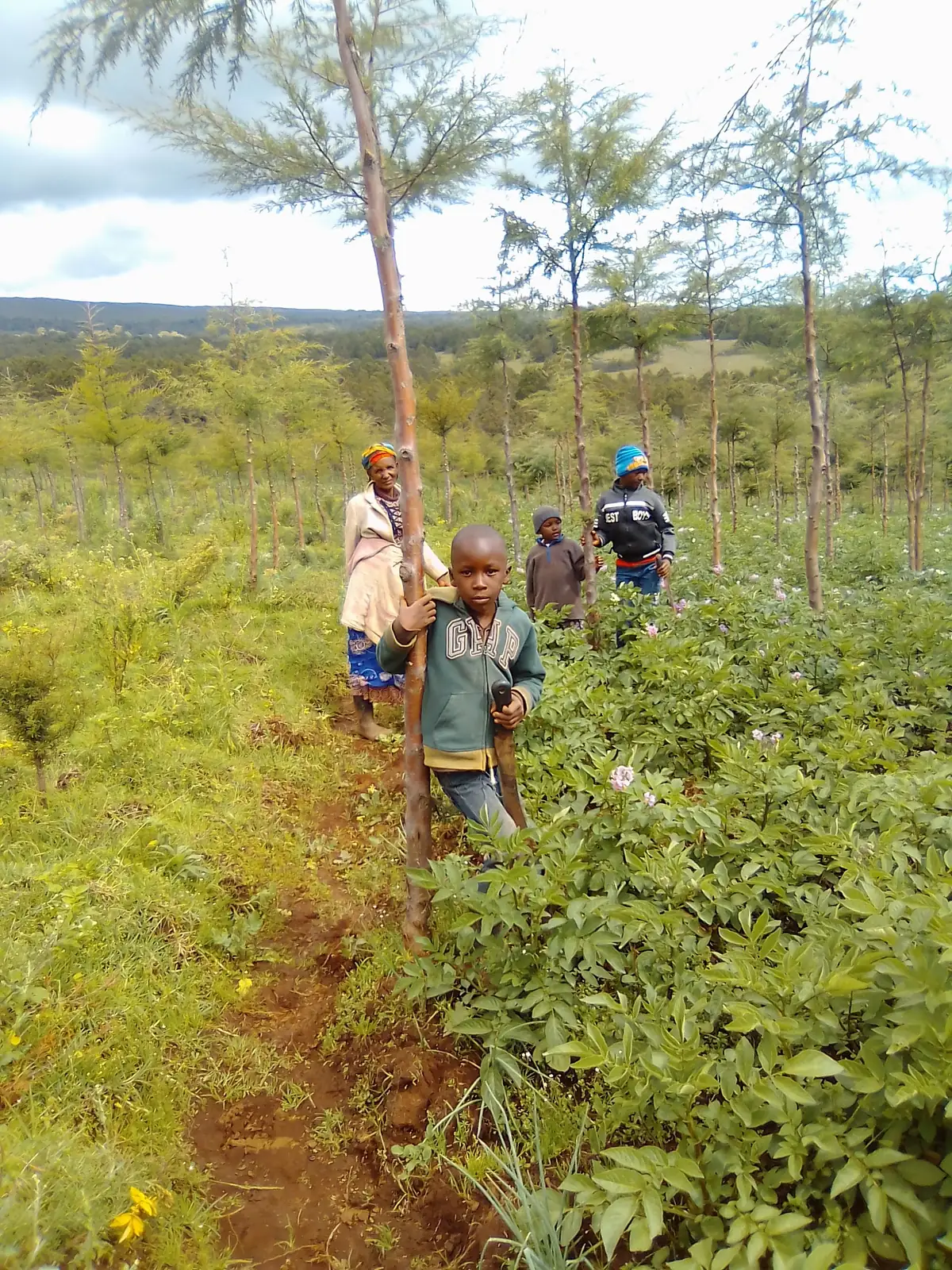
Tree planting in Kenya has a long and respected history. From the Green Belt Movement founded by Wangari Maathai, who received the Nobel Peace Prize in 2004, to the national campaign to grow billions of trees by 2032, planting has become one of the most visible forms of climate action in the country. The Constitution of Kenya sets a goal of at least ten percent tree cover, and national policy aims higher. Yet the number of seedlings put in the ground is only the beginning of the story. What matters for the climate, for biodiversity and for people is how many of those trees are still alive and growing years later.
Why Planting Is Not the Same as Restoring
A seedling is a small, vulnerable plant. In the first two or three years it competes with grass and weeds, it may be browsed by livestock or wildlife, and it can die in a single dry spell. A planting event that makes headlines can therefore deliver very different results on the ground, depending on what happens after the photographs are taken. Reforestation in Kenya that succeeds treats planting as one step in a multi-year process that includes site preparation, protection, watering where needed, replacement of failed seedlings and monitoring.
Getting the Timing Right
Kenya has two main rainy seasons: the long rains, which usually arrive from March to May, and the short rains from October to December. Seedlings planted just before a dependable rainy season have the best chance to establish deep roots. In the arid and semi-arid lands that cover most of the country, rainfall is variable from year to year, so planting dates and techniques such as water-harvesting pits, mulching and shade protection can make a decisive difference.
The Right Tree for the Right Place
Kenya spans mountain forests, coastal forests, savannah, wetlands and drylands, and each needs different species. Indigenous trees such as African olive, cedar, podocarpus and croton suit highland sites, while Acacia, Melia volkensii and other dryland species suit hotter and drier landscapes. Fast-growing exotic species can be useful for firewood and timber on farms, but planting them in place of natural forest or grassland can harm biodiversity and water resources. Good projects combine native species for ecological value with useful farm trees that give households a reason to look after them.
Land Tenure and Community Ownership
Trees live for decades, so the question of who owns the land and who benefits from the trees is central. Planting on private farms, community land and gazetted forests involves different rules and different responsibilities. Where families know that the trees are theirs, whether for fruit, fodder, shade, timber or income, survival tends to be much higher than in projects where trees are planted on behalf of others. The Kenya Forest Service and county governments play an important role in guiding where and how planting should take place, and community forest associations help protect restored areas.
How Tree Planting Connects to Carbon Credits
Some reforestation and agroforestry projects in Kenya register with carbon standards so that the carbon stored in new trees can be measured, verified and recognised. This requires something quite different from a one-off planting day. Projects must define boundaries, show that the land was not already forest, measure growth over time through field plots and satellite data, and set aside part of the carbon as a buffer in case of loss. The discipline of measuring survival is one reason carbon-linked projects tend to keep better records than informal campaigns. Readers who want to understand how credits are issued can start with our overview of Kenya's REDD+ forest projects, which protect existing forest rather than plant new trees.
Questions to Ask About Any Planting Project
- Which species are being planted, and are they suited to the local soil and rainfall?
- Who owns the land, and will the community benefit from the trees?
- How long will the project monitor survival, and are results published?
- What happens to seedlings that die, and who pays for replacement?
- Is the project working with local authorities such as the Kenya Forest Service?
Frequently Asked Questions
When is the best time to plant trees in Kenya? In most regions, the start of the long rains in March or the short rains in October gives seedlings the best start, though local conditions vary.
Do planted trees always become forest? No. Survival depends on species choice, care and protection. Many seedlings can be lost in the first years without follow-up.
How is forest conservation different from tree planting? Forest conservation protects existing forest from clearing and degradation, while tree planting establishes new tree cover. Kenya needs both, and the strongest results come when they are combined in the same landscape.
Planting is a promise to the future. Keeping that promise means returning to the site season after season until the trees can stand on their own.