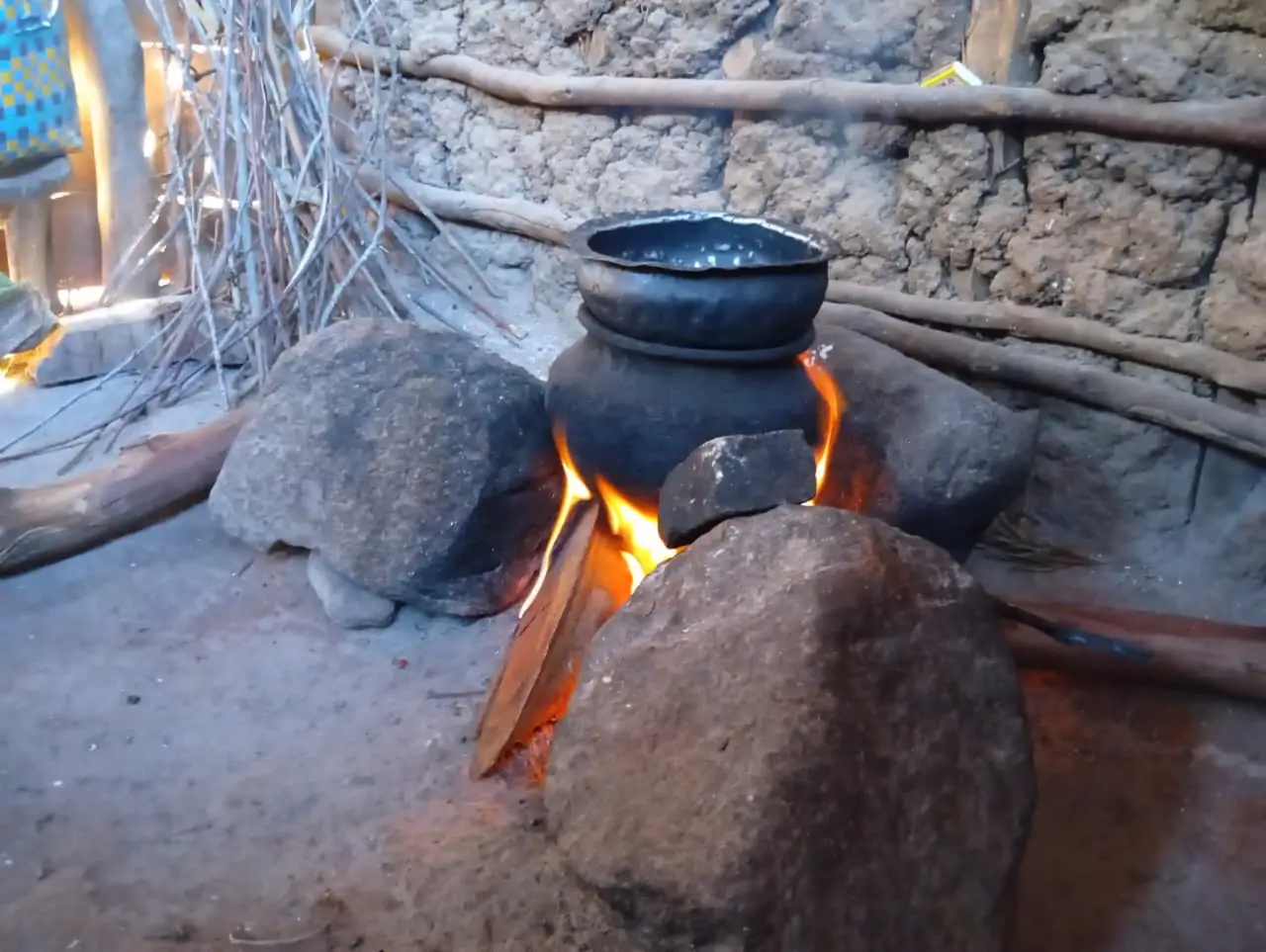
In July 2026, the International Energy Agency (IEA) confirmed that Kenya is one of three governments — alongside the United States and Norway — co-chairing the global clean cooking financing initiative launched at the IEA's inaugural Clean Cooking Summit two years ago. The update came at a virtual high-level meeting that secured $900 million in new commitments for African countries, on top of the $2.2 billion pledged at the 2024 summit.
A Landmark Commitment
The clean cooking initiative aims to expand access to clean cooking technology for hundreds of millions of Africans before 2030. Kenya's co-chairing role signals its position not just as a recipient country, but as a continental leader in shaping clean energy access policy.
Carbon markets play a supporting role: they are a small part of total financing for clean cooking in Africa — smaller than development finance or sovereign commitments, but growing as Gold Standard and Verra methodologies for cookstoves mature and Corsia demand increases. Kenya already hosts some of the continent's most advanced cookstove projects, with Burn Manufacturing's Kenya project (VCS5642) issuing 52,405 tCO2e of vintage 2025 credits in July 2026.
Context: Gulf LPG Disruption
The IEA meeting was originally scheduled as an in-person event in Nairobi. The Nairobi summit was postponed amid travel and logistics uncertainty, and the July meeting went ahead online. The Gulf conflict disrupted fuel supply chains — a reminder that energy security and clean cooking access are deeply interlinked with geopolitics. This supply shock has raised the urgency of diversifying away from imported LPG toward locally-produced clean cooking solutions, including biogas and advanced cookstoves.
What It Means for Kenya's Carbon Market
Kenya's co-chairing role opens doors to multilateral finance flows, policy coordination with major donor governments, and a higher international profile for Kenyan carbon project developers. Combined with the country's existing Article 6 bilateral agreements and strong REDD+ pipeline, Kenya is consolidating its position as East Africa's most developed carbon market destination.
Related: Article 6 in East and Central Africa: Where Does Kenya Stand?
What to Check Before Relying on Clean Cooking Commitments
A headline commitment is a starting point, not evidence of results. Before a buyer or developer builds a plan around it, three checks help. First, establish whether the money is committed, disbursed or spent, and look for the reporting that shows which. Second, ask which programmes and projects the money reaches, and whether those projects hold a registration under Verra or Gold Standard with a public project record. Third, ask for the usage data behind any stove credit. A stove that is not used does not reduce emissions, so monitoring of real use is central to whether a stove credit is sound.
For Kenyan developers, a government's co-chairing role does not change the rules a project must meet. Methodology, additionality and monitoring requirements apply to every stove project, whatever the level of international attention on clean cooking.
For a stove project, the practical test is whether the stoves are in use and burn less fuel than the baseline stoves they replace. Projects usually show this through kitchen performance tests, fuel-use surveys and, in some cases, electronic sensors that record how often a stove is lit. A headline commitment says nothing about these measurements, so ask a seller for the monitoring plan and the most recent verification report.
Frequently Asked Questions
Which governments co-chair the initiative? Kenya, the United States and Norway. The IEA describes the three as co-chairs of the financing effort launched at its first Clean Cooking Summit.
How much new money was committed? The July 2026 virtual meeting secured $900 million in new clean cooking commitments for African countries. It follows the $2.2 billion committed at the 2024 Paris Summit. Commitments are not the same as money spent, so check disbursement reports before relying on any figure.
Does this initiative fund carbon projects directly? Not mostly. Most clean cooking finance comes from development finance and government commitments. Carbon credits are one tool in the mix, not the main source of funds.
Why does the LPG shortage matter for carbon buyers? A supply shock that cuts imported LPG makes locally produced options such as biogas and efficient cookstoves more attractive to governments and households. That can raise demand for stove projects, but only projects with solid usage data will hold up well under scrutiny. Our guide to cookstove carbon credits explains what to check.
Does a government commitment make Kenyan stove credits safer to buy? No. A commitment shows that money and policy attention are moving toward clean cooking. It does not show that a particular stove project is well run. Before buying, check the project's registry record, the vintage of the credits, and whether the project publishes data on how many stoves are in use.