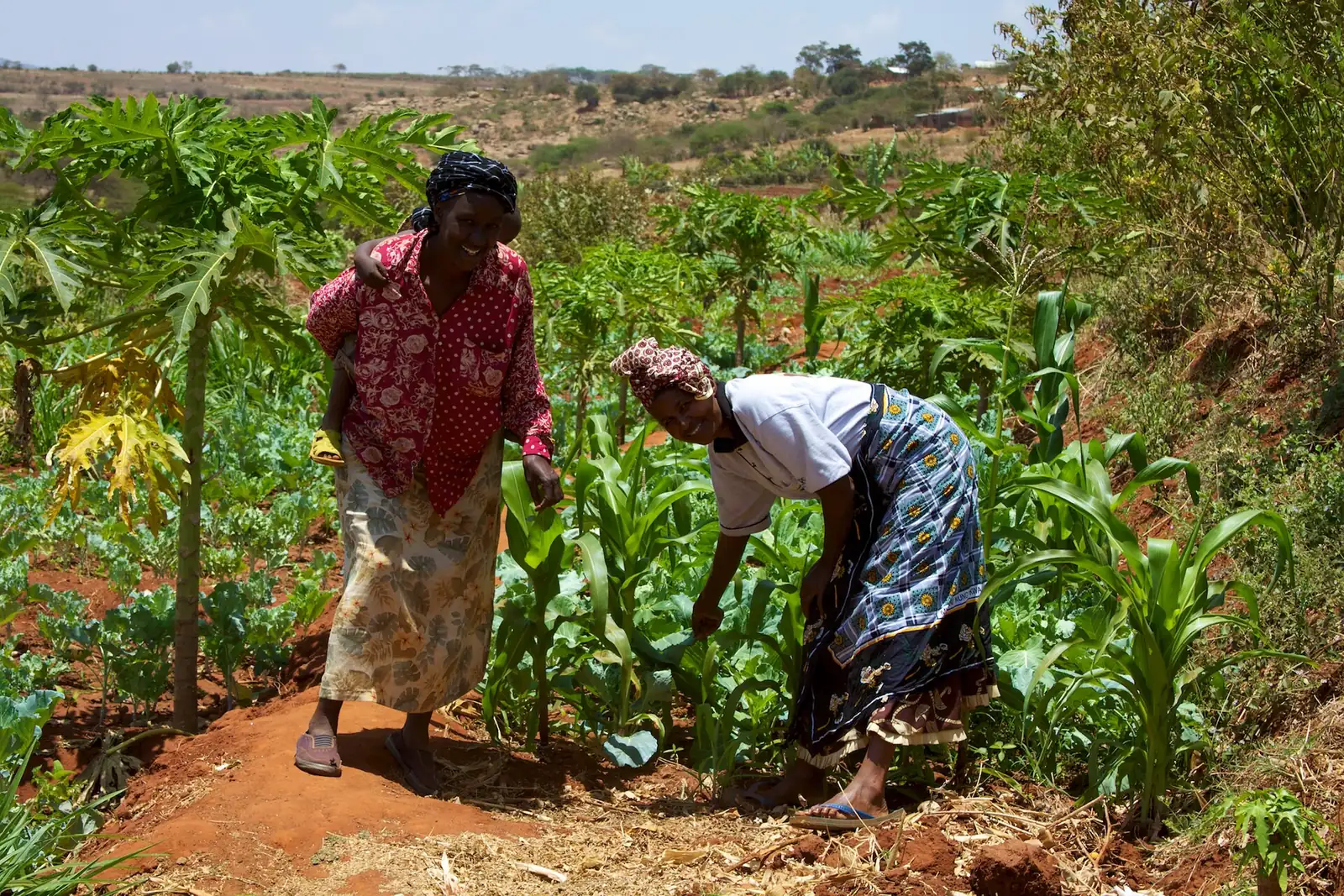
When a carbon project runs on community land, the benefit-sharing arrangement is not a side issue. It decides whether the people who live with the forest, grassland or coastline see a real return, and it affects how stable the project is over the years it has to run. Buyers increasingly ask to read these terms, and communities have good reason to read them closely before they agree to anything. This guide explains what a benefit-sharing arrangement covers, what clear terms look like, and which questions to put to a project developer.
What Benefit Sharing Means
Benefit sharing is the agreement on how income from selling carbon credits is divided between the project developer, the landholders or community, and any other parties that carry costs or risk. It can include direct payments, money for a community fund, and non-cash benefits such as schools, water points, training or support for local enterprises. The balance between these is a negotiated outcome, and the terms should be written down in a form that everyone with a stake can read.
Why It Matters in Kenya
Kenya has several land tenure systems, including private titles, group ranches, community land and public forest managed by state agencies. Who has the right to the carbon, and who has the right to a share of its value, depends on which system applies. Kenya has also been developing its carbon market rules in recent years, so buyers and landholders should check the current gazetted text and take their own legal advice rather than rely on summaries. Our overview of Kenya's carbon market describes the legal base in more detail.
What a Good Agreement Should State
A clear benefit-sharing agreement does not leave the important points to later discussion. Look for these elements:
- Who the parties are, including the legal body that represents the community and how it is governed.
- How revenue is calculated, for example whether shares apply to gross credit sales or to income after project costs, and which costs may be deducted.
- The split itself, written in the contract and not left to a later decision.
- Payment timing, so people know when money arrives and what happens if a sale is delayed.
- How the community fund is governed, including who decides how it is spent and how members can see the accounts.
- Duration and exit terms, including what happens to the arrangement if the project ends early.
Free, Prior and Informed Consent
Communities should be able to understand the proposal before they agree. That means documents in a language people use, enough time to discuss it, and a real option to say no or ask for changes. Consent records, such as minutes of meetings and attendance lists, are worth requesting. A buyer who sees thin or missing consent records has a reason to pause, because a dispute over consent can put the credits at risk.
Transparency and Oversight
Payments are easier to trust when someone independent can check them. Ask whether an auditor reviews the payments, whether the community receives regular reports, and whether there is a complaints process that works in practice. Good projects publish at least a summary of how revenue was shared. Where a project cannot or will not show this, the buyer cannot make credible statements about community benefits in a sustainability report.
How Project Types Differ
The shape of benefit sharing changes with the project. In forest and grassland projects, the community often gives up or changes some land uses, so the agreement needs to address what they are compensated for. In mangrove work, benefits may be linked to restoration jobs and to fishing communities that rely on the coast, as discussed in our guide to blue carbon in Kenya. In cookstove projects, the benefit is mainly the stove itself, so the questions are about its quality and who pays for repairs and replacement.
Questions for Buyers to Ask
Buyers can fold benefit sharing into their wider checks, alongside the registry and methodology review in our due diligence checklist. Useful questions include:
- Can we see the signed benefit-sharing agreement, or a summary approved by the community?
- What share of credit revenue reaches the community, and how is it calculated?
- Who audits the payments, and when was the last report published?
- Where are the consent records, and how were disputes handled?
- What happens to the arrangement if the project changes owner?
Frequently Asked Questions
Is there a single correct percentage for the community share? There is no figure that fits every project. The right split depends on project costs, risk, land rights and the applicable rules, which is why the terms should be read in the contract and checked against current Kenyan regulations.
Who owns the carbon in a community project? It depends on the tenure of the land and the rights set out in the project documents. Ask for the documents that show who holds the carbon rights, and have a lawyer review them.
Can a community withdraw after signing? That depends on the contract. Exit terms should be stated clearly before signing, not discovered afterwards.
Green Earth Group works with project developers, landowners and buyers across Kenya. Contact us through this site if you would like to discuss how a project handles community benefits.